
The "Green" Lie We Keep Telling Ourselves
If you walk into any major UK retailer today, you’ll see aisles of cardboard promotional displays.
They look sharp for about a week. Then the corners get scuffed, the print fades, and a customer accidentally kicks the base in.
Six weeks later? It’s in the compactor. Pulped. Gone.
And then we pat ourselves on the back because it was "100% recyclable."
We need to be honest: that isn't sustainability. That is waste management with better PR.
As manufacturers, we’ve watched the industry tie itself in knots trying to make disposable items "greener."
But the latest noise coming out of the US suggests the tide is finally turning—and it’s a shift UK retailers can’t afford to ignore.
The NRF Wake-Up Call: "Circularity is Redefining Supply Chains"
On December 11th, the National Retail Federation (NRF) dropped a piece of insight that should make every Operations Director sit up and take notice.
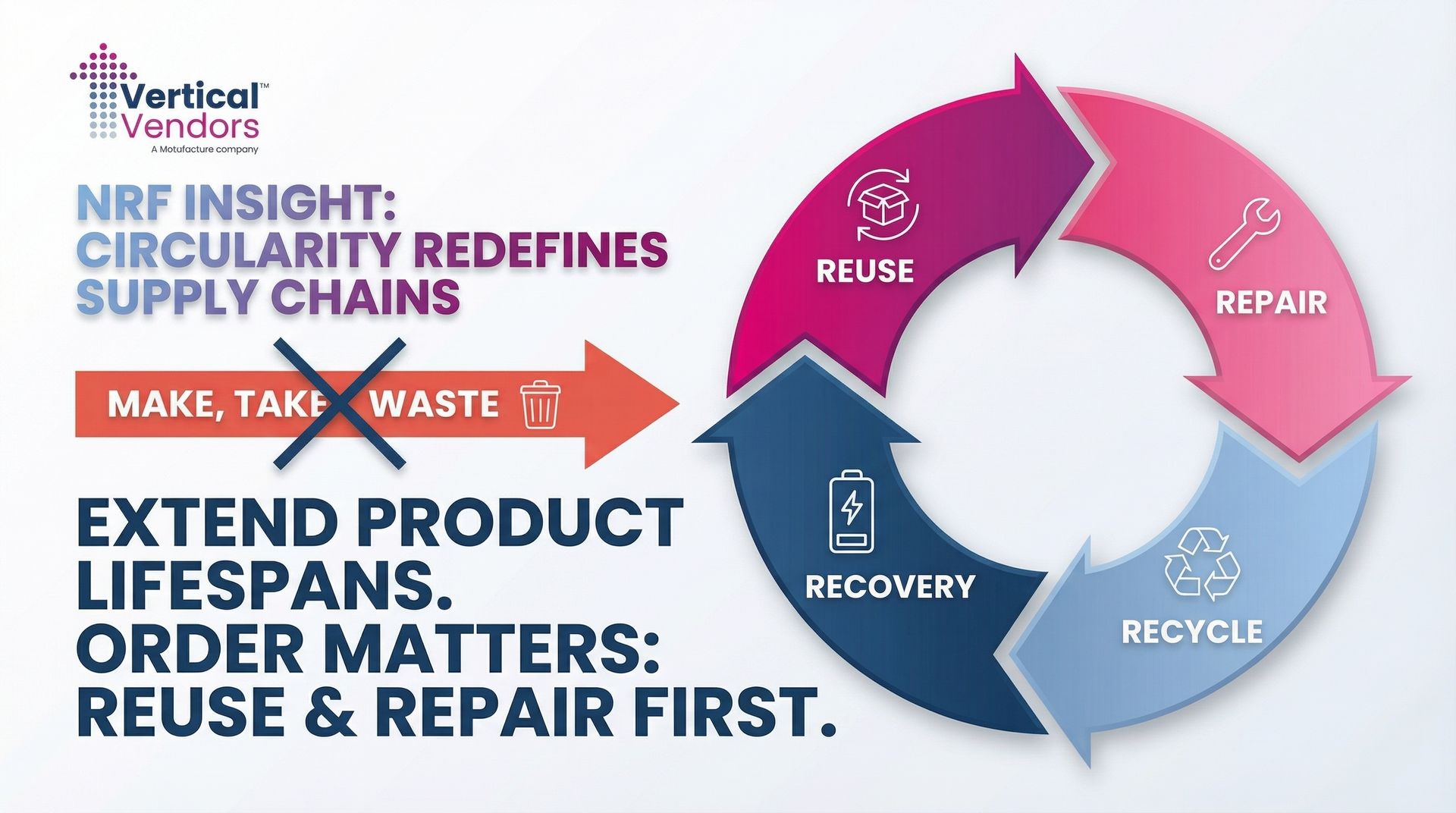
Their article, titled "Circularity is redefining supply chains," didn't just talk about recycling bins. It went straight for the jugular of the "make, take, waste" model.
They explicitly stated that the future is about "promoting reuse, repair, recycling and recovery to extend product lifespans."
Note the order of those words. Reuse and Repair come before Recycle.
This is the shift we have been waiting for. For years, the conversation has been dominated by how to make trash less damaging.
The NRF is finally pivoting the conversation to: Why are we making trash in the first place?
"Circularity is redefining supply chains. Promoting reuse, repair, recycling and recovery to extend product lifespans and reduce waste, costs and supply risks." — National Retail Federation, Dec 11 2025
When a body as influential as the NRF flags this, it’s not a suggestion. It’s a forecast. The era of the "disposable display" is ending, not just because it’s bad for the planet, but because it’s bad for business.
Why "Recyclable" Cardboard is a Money Pit
Let’s look at the maths, not the morals.
We recently spoke to a category manager who spends a significant chunk of her budget replacing temporary point-of-sale (POS) units every quarter.
She buys cardboard because the upfront unit cost is low.
But if you buy a cheap unit four times a year, every year, for five years, you haven't saved money. You’ve just paid a subscription fee for rubbish.
The "circular economy" isn't about figuring out what to do with the cardboard after it’s used; it’s about designing a unit that doesn't need to be thrown away.
This is where steel enters the conversation.
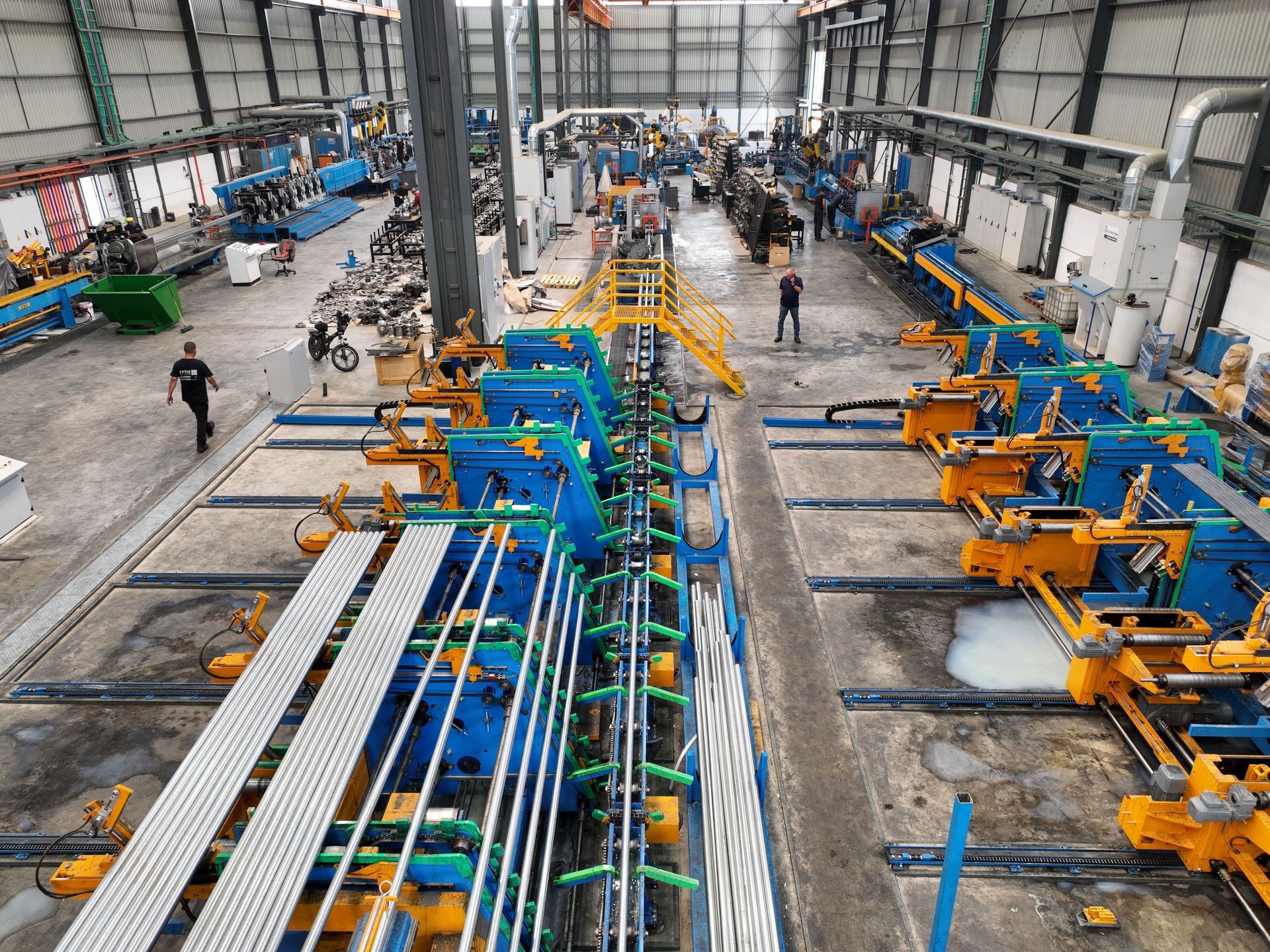
When we manufacture our units , we aren't thinking about the next six weeks. We are thinking about the next ten years. We use robust sheet metal and powder-coated finishes that can take a beating from shopping trolleys and floor polishers without flinching.
The "Repair" Revolution
The NRF article highlights "repair" as a critical component of the new supply chain. This is virtually impossible with cardboard or cheap acrylic. If a cardboard header snaps, you bin the whole unit.
If a component on a Vertical Vendors steel unit gets damaged? You unclip it. You order a spare insert , You slide the new one in. The main structure remains on the shop floor, generating revenue.
This modularity is the practical application of circularity. It allows you to update branding, change shelf configurations, or swap out header cards without scrapping the metal skeleton.
This approach aligns perfectly with the rising pressure here in the UK. Just this month, the WWF warned that supermarkets are "playing with fire" regarding their climate action progress. The scrutiny on Scope 3 emissions (which includes your supply chain and purchased goods) is tightening.
You cannot hit Scope 3 targets by buying thousands of tons of single-use pulp, no matter how responsibly sourced the forest was. You hit them by buying 1,000 steel units once, and never buying them again.
Supply Risk is the Silent Killer
There is another angle to the NRF’s report that really struck a chord with us: Supply Risk.
In a volatile world, relying on a constant stream of disposable imports is a vulnerability. If your POS strategy relies on a fresh shipment of cardboard displays arriving from overseas every month, a single shipping delay in the Red Sea leaves you with empty floor space.
A "reuse" model insulates you from this. Once the steel units are in your estate, they are yours. You are no longer beholden to global shipping rates or paper pulp shortages for your day-to-day operations.
We see this with our clients who use our products. They aren't panicking about the next shipment because their infrastructure is already built, installed, and working.
The Commercial Case for Steel
We know what you’re thinking. "Steel costs more."
Upfront? Yes. But let’s look at the data.
- Longevity: A typical cardboard FSDU lasts 6 weeks. A Vertical Vendors steel unit lasts 10+ years.
- ROI: Over a 3-year period, the steel unit is often 40% cheaper than the cumulative cost of replacing cardboard alternatives.
The NRF report mentions that circularity "reduces waste, costs and supply risks." They grouped "costs" in there for a reason. This isn't a charity project. It’s an efficiency drive.
UK retail is facing a brutal cost squeeze. Energy bills are high. Labour costs are rising. Throwing money into the compactor in the form of crushed cardboard is a luxury nobody can afford anymore.
Ready To Get Started?
Stop renting your retail presence from the recycling bin.
Let’s build a fleet of displays that will last as long as your brand does.
More from the blog