
The True Cost of Self-Checkouts on UK Retail Loss
Why the Self-Checkout Experiment is Costing UK Retailers Millions in Unresolved Store Losses
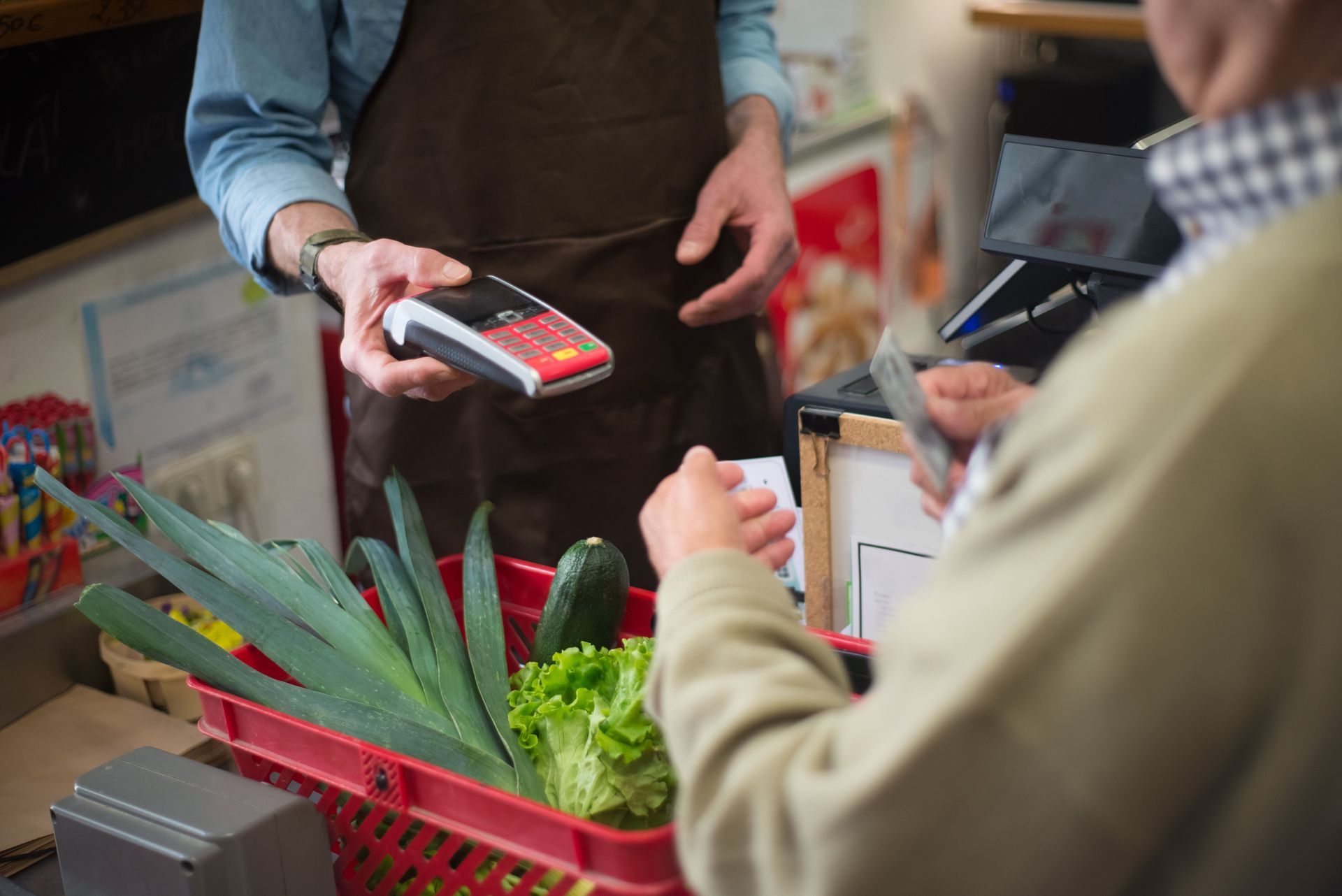
When supermarkets first started swapping out manned tills for rows of self-service screens, the commercial argument seemed airtight.
It promised a major reduction in staff expenditure and a faster journey for the average shopper.
Over the last decade, we have watched this technology become the standard across the high street, altering the way British consumers complete their weekly shop.
But as manufacturers who spend our lives analysing the physical realities of commercial retail spaces, we have always been sceptical about the hidden costs of removing human supervision.
The numbers are finally catching up with the reality on the shop floor.
It turns out that passing the responsibility of inventory management onto a distracted customer comes with a severe financial penalty.
A New University Study Confirms Self-Checkout Technology Drives a Major Increase in Retail Shrinkage
A comprehensive piece of research has shed light on the exact scale of this problem.
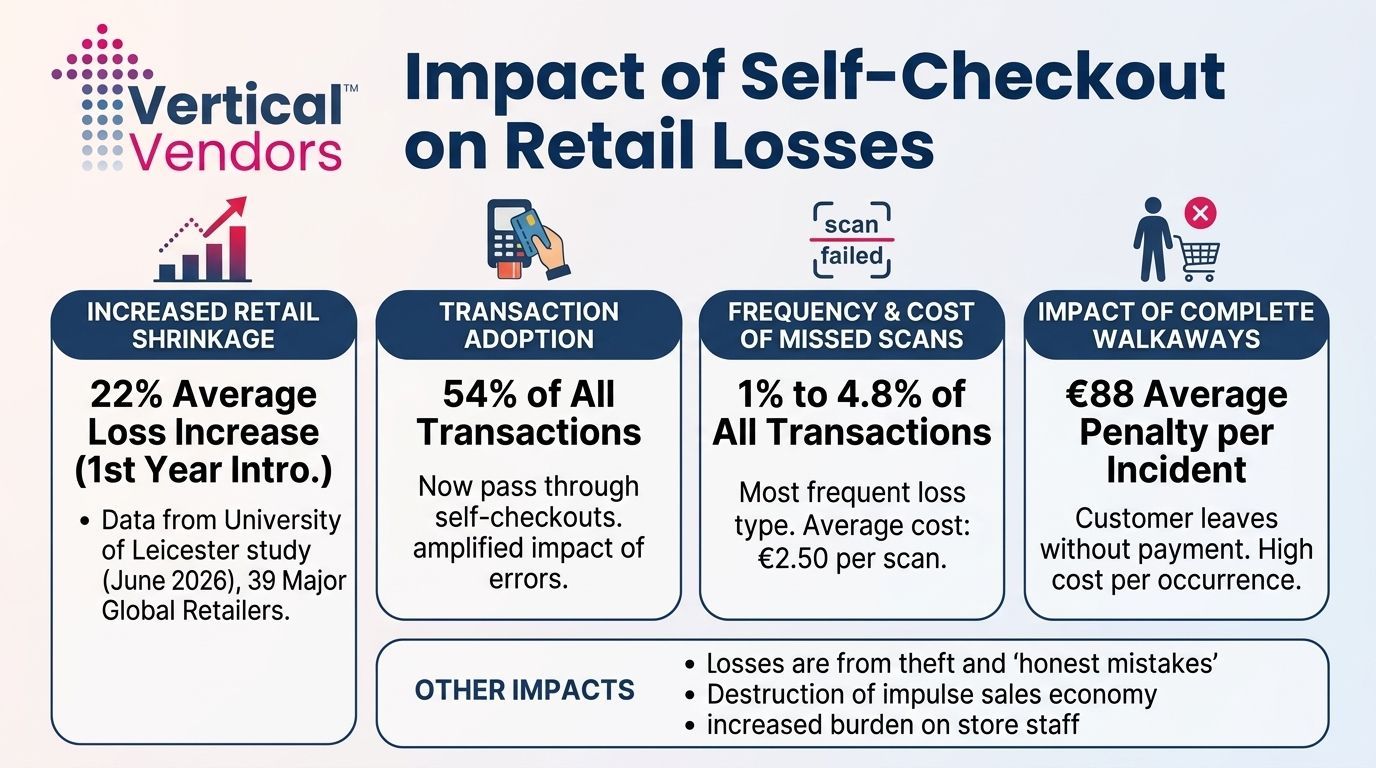
According to a landmark study published by the University of Leicester June 2026, store losses rose 22% on average during the first year that self-checkouts were introduced.
Led by Professor Matt Hopkins and commissioned by ECR Retail Loss, the project analysed data from 39 major global retailers representing a combined annual turnover of €1 trillion.
The findings show that self-service terminals have fundamentally changed consumer behaviour, but not entirely for the better.
The data reveals that 54% of all store transactions now pass through self-checkouts.
This widespread adoption means that even minor errors or systemic vulnerabilities are amplified across millions of transactions every single day, directly impacting profit margins.
The study makes it clear that retailers are struggling to distinguish between malicious shoplifting and honest customer mistakes. When an automated system causes user frustration, inventory accuracy is the first thing to break down.
The report explicitly highlights that "loss at self-checkouts happens for a variety of reasons, ranging from theft to honest mistakes due to awkward items, unfamiliar user interfaces and fiddly barcodes."
Missing Out on High-Margin Impulse Sales While Managing the Burden of Missed Scans and Walkaways
The operational breakdown happens in small, quiet increments rather than dramatic single events.
For instance, the Leicester research shows that missed scans are the most frequent type of loss, occurring in 1% to 4.8% of all transactions.
While an individual missed scan carries an average cost of €2.50, the sheer volume of these incidents creates a relentless drain on weekly profitability.
Worse still are the complete payment walkaways, where a customer leaves the premises with merchandise after an incomplete or failed transaction.
Although these instances are far less frequent, they carry an incredibly high penalty, costing businesses an average of €88 per incident.
When you multiply these figures across a nationwide retail estate, the cost of automated convenience starts to look unsustainable.
Beyond the direct rise in shrinkage, the modern self-service layout has created an entirely separate commercial headache: the destruction of the impulse economy.
In the old days of the manned conveyor belt, shoppers stood in structured lanes flanked by high-margin merchandise. Confectionery, small electronics, and seasonal items were placed within arms' reach, turning dead waiting time into profitable point-of-sale volume.
The chaotic layout of modern self-checkout zones has largely broken this profitable mechanic, leaving money on the table. Without structured queue paths, shoppers focus entirely on navigating the screen interface rather than browsing complementary products. This shifts the shopper's focus from product exploration to pure task completion, rapidly eroding incremental sales.
This operational friction also places a massive burden on the remaining shop floor staff. Instead of focusing on customer service or restocking shelves, employees spend their shifts resetting error screens and approving age-restricted items. This labour reallocation leaves other areas of the store vulnerable to general neglect and un-fronted shelves.
Moving Beyond Digital Quick-Fixes to Secure High-Traffic Store Footprints with British-Built Hardware
Many retailers are attempting to fix these algorithmic problems with more algorithms, introducing complex overhead AI cameras and aggressive weight sensors. However, these digital interventions often increase shopper frustration, leading to more non-scans and administrative errors. We believe the solution lies in smarter store floor design and robust physical infrastructure.
To win back those high-margin impulse purchases without creating new security blindspots, retailers must rethink the immediate vicinity of the checkout lane. Merchandising units need to be incredibly durable, highly visible, and designed to position high-value products directly within the sightline of both the shopper and the store supervisor.
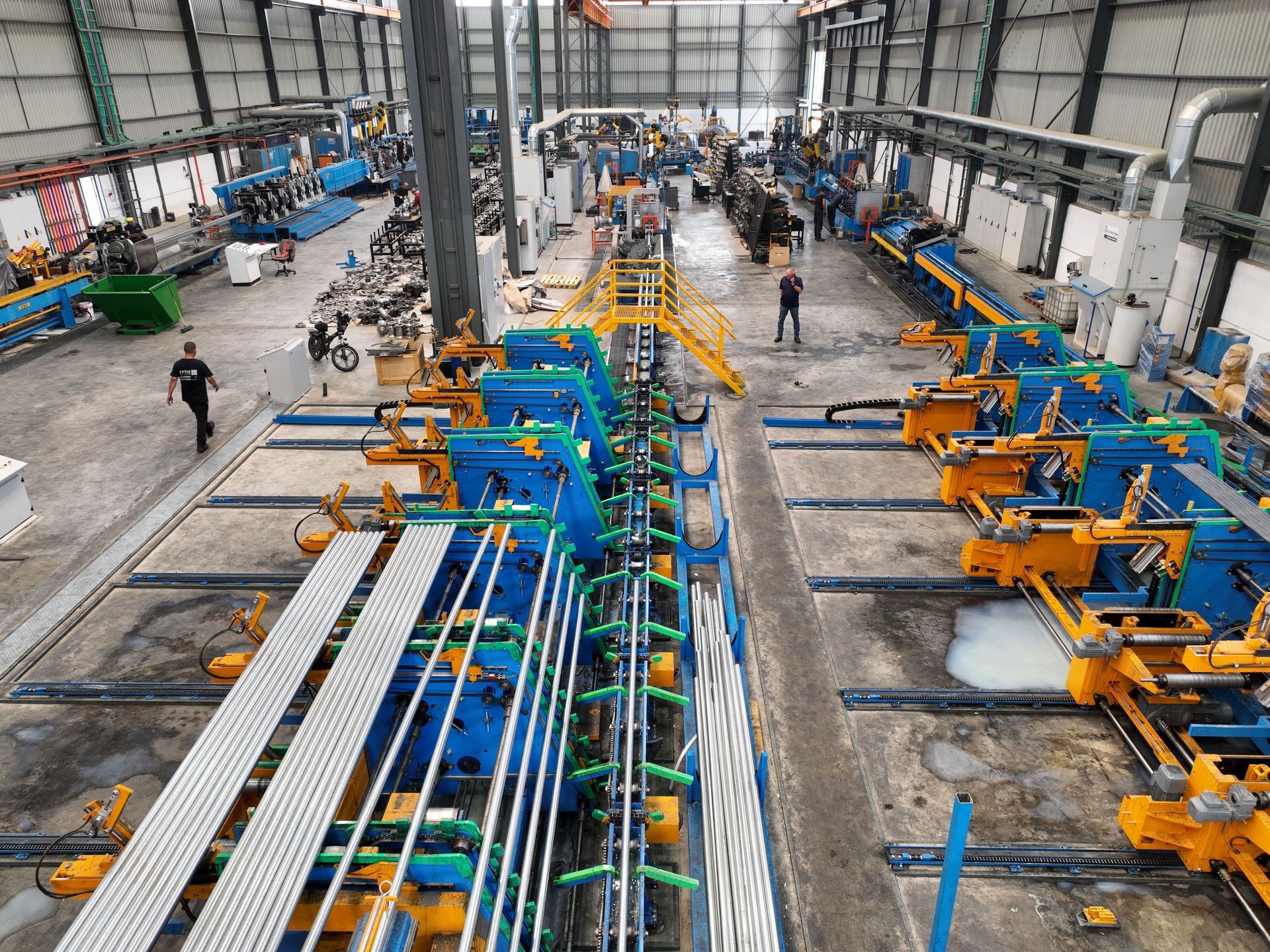
This is exactly where our perspective as British manufacturers comes into play. We design and build heavy-duty store solutions right here in our UK facility, using ISO 9001 certified manufacturing practices and robust sheet metal. By implementing vertical vendors , retailers can restore planogram integrity, protect high-value stock, and subtly encourage impulse buys right at the final point of purchase.
Get In Touch Today
If you are looking to secure your front-of-store revenue and protect your profit margins with long-lasting retail hardware, visit our contact page at https://www.verticalvendors.com/contact-us to discuss your project requirements with our engineering team.
This tells us that while the British public will spend on immediate seasonal needs, they remain highly cautious about larger, big-ticket discretionary purchases.
More from the blog